LOS ANGELES SCOTTISH RITE
Providing further Light in Freemasonry
The Ancient and Accepted Scottish Rite of Freemasonry, commonly known simply as the Scottish Rite, is one of the principal appendant bodies of Freemasonry.
After receiving the three degrees of Symbolic (or “Craft”) Masonry in a Blue Lodge and becoming a Master Mason, a Brother may further his Masonic journey through additional bodies — including the Scottish Rite and the York Rite (Royal Arch Masons, Royal & Select Masters, and Knights Templar). These paths are complementary, not exclusive, and many Masons choose to participate in both.
The Scottish Rite builds upon the moral, philosophical, and spiritual teachings introduced in the Craft Lodge, offering deeper exploration of Masonic symbolism, ethics, leadership, and service to humanity.
A local Scottish Rite organization is called a Valley. Each Valley may consist of up to four coordinate bodies, with each body conferring a series of degrees. In the Southern Jurisdiction, USA, these are:
Lodge of Perfection – 4° through 14°
Chapter of Rose Croix – 15° through 18°
Council of Kadosh – 19° through 30°
Consistory – 31° and 32°
The 33° Inspector General Honorary is conferred only by the Supreme Council in recognition of outstanding service to the Rite or to humanity.
To explore the history, philosophy, and global structure of the Scottish Rite, we invite you to visit the official website of the Supreme Council.
A BRIEF HISTORY OF THE
LOS ANGELES VALLEY
The Los Angeles Bodies were organized in 1885 at 125 North Main Street. Albert Pike’s desire to establish the Scottish Rite in all parts of California led to a organizational meeting in the “City of the Angels”, a small town of about 12,000. Pentalph Lodge No. 202 on Main Street was the scene of the constitution of King Solomon Lodge of Perfection No. 14, Robert Bruce Chapter of Rose Croix No. 6 and the Hugues Despaynes Council of Kadosh No. 3. The Bodies met at the Main Street Location for less than two years when they moved to First and Spring Streets where they held meetings for the next ten years.
At that time, only the Grand Consistory of California in San Francisco conferred the Consistory Degrees. The distance and expense involved prompted the constitution of a “Particular Consistory” in Los Angeles. By 1895, the “Lodge Room” in the Bonebreak Building on First and Spring became inadequate and an impressive three-story Masonic Hall was built at 431 Hill Street. It was occupied by the Scottish Rite Bodies, the York Rite and three Blue Lodges. By 1900, the membership had reached about 200, and so a larger Temple was erected at 929 Hope Street, “With a little money and a lot of faith.”
In spite of the losses to Santa Barbara (1931) and Bakersfield (1945) when they were instituted, the growth continued. The membership in 1950 reached 7,378 with a Reunion Class of 300. It was time for another new Cathedral. After diligent search was made the Rite purchased four lots on Wilshire Boulevard to build it.
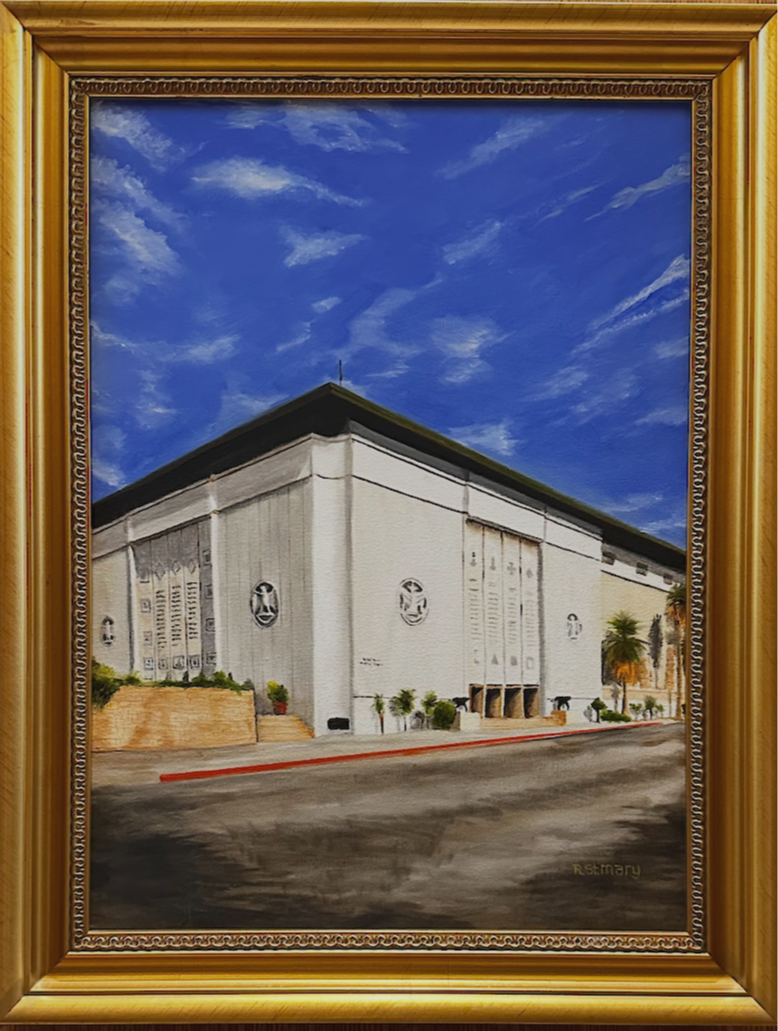
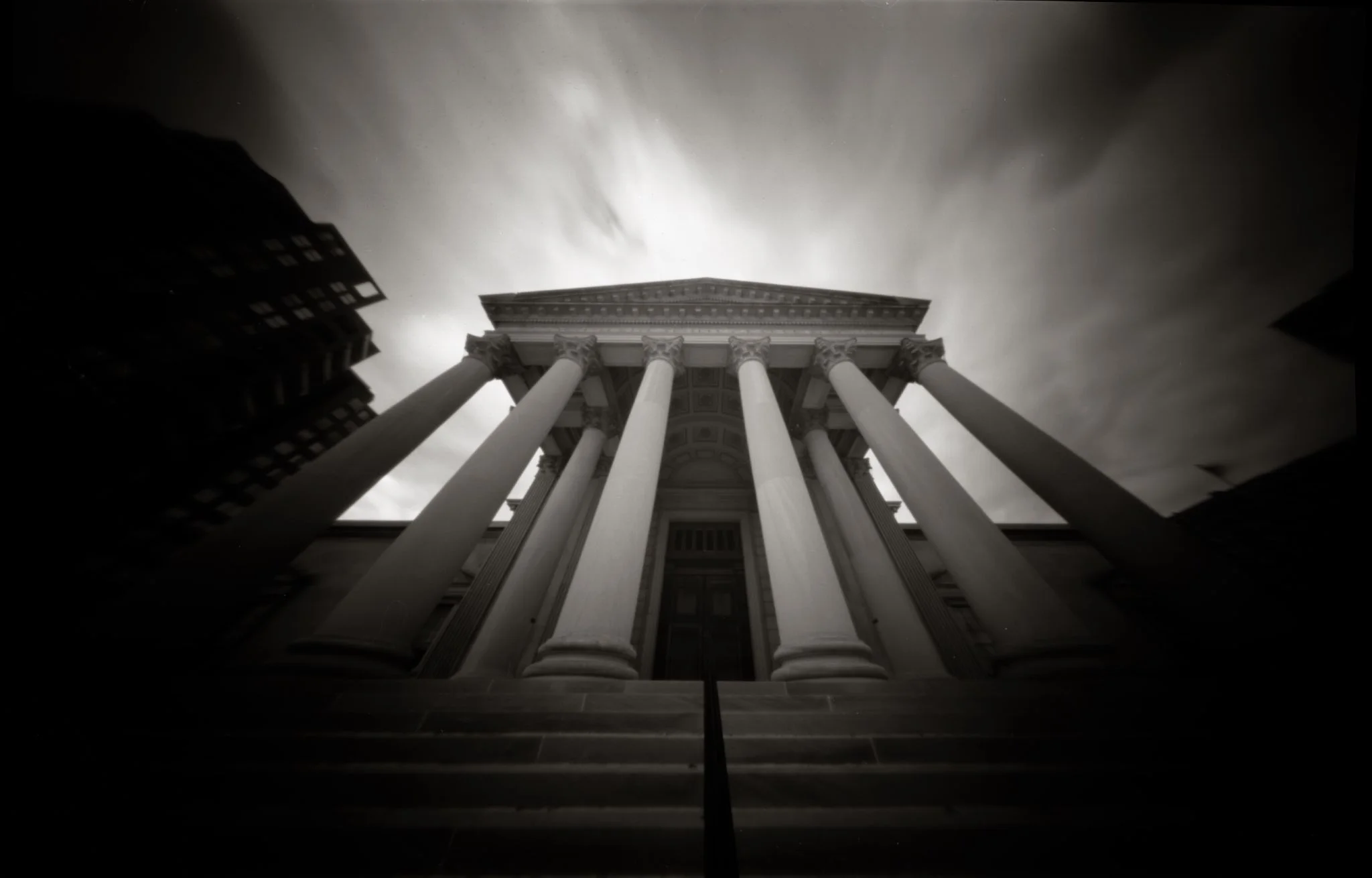
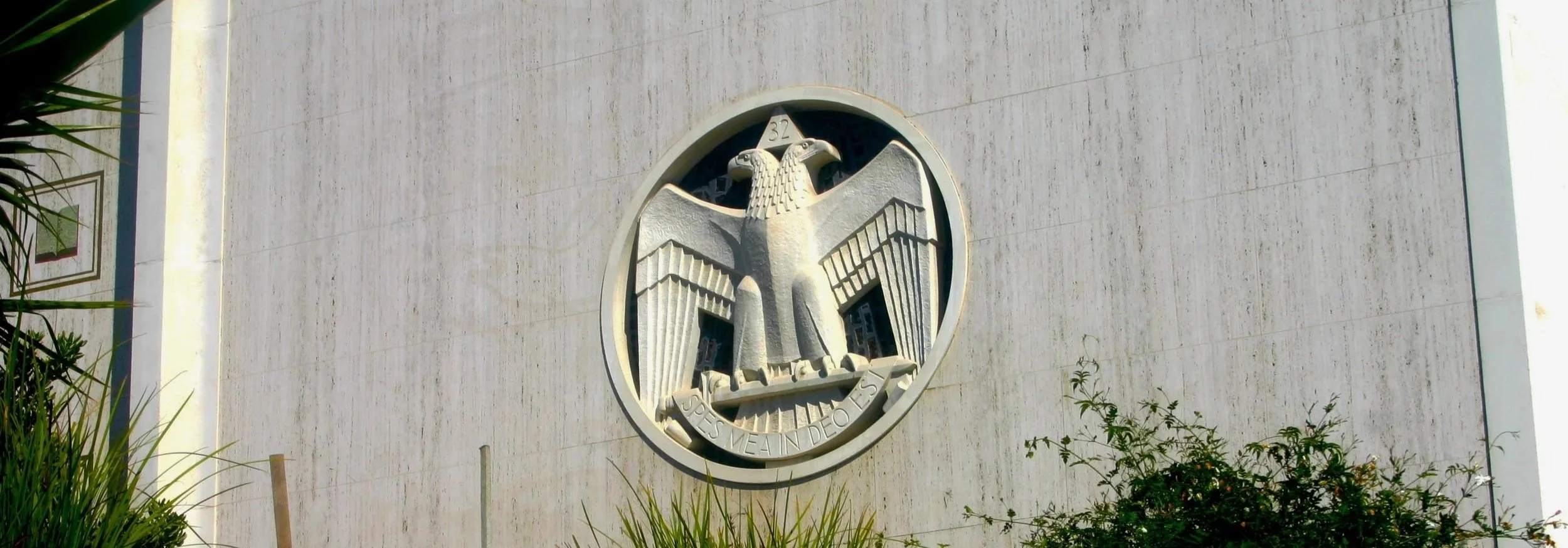
The Cathedral, four stories high, with an exterior of Italian Travertine marble, embellished with mosaics and gold lettering and adorned with eight 15 foot statues is, indeed, a monumental edifice. After 55 years at the Hope Street address, the first Stated Meeting of the Rite was held at the new cathedral, October 6, 1961.
It is quite natural that the Los Angeles Bodies are deeply involved in theatrical and musical performances. An orchestra had been established as early as 1911 and the Scottish Rite Male Chorus held its 40th birthday in 1955. The Scottish Rite Players staged many productions for the entertainment of the brethren and their families.
The one day class of 330 candidates in November, 1974, brought the membership to over 11,000. In 1980, Los Angeles was the largest Valley in the second largest Orient of the Southern Jurisdiction, and the 14th largest Valley in the Jurisdiction.
The Los Angeles Scottish Rite Childhood Language Center was dedicated in March 1977. By September of that year, it was necessary to expand the center’s schedule from three days a week to five due to the increasing number of children who needed treatment. Learn more about the activities of the Los Angeles Childhood Language Program.
Due to zoning changes in Los Angeles over the years, it was increasingly difficult — and finally impossible — for the Valley to generate the revenue from renting the Cathedral necessary to maintain the building. It eventually became unavoidable that the building should be sold, which was accomplished in 2013. The Los Angeles Valley currently holds most meetings and events at the Santa Monica Masonic Center, in Santa Monica, California.